
Emotional Regulation Activities for Homeschool Kids 🧘🏿♀️
Big feelings are part of childhood and homeschooling means we often witness all of them up close and personal. Frustration during math, tears over sibling conflicts, overstimulation, exhaustion, excitement… emotional regulation is not a bonus skill. It’s a foundational one.
The good news? Emotional regulation isn’t something children magically “figure out” on their own—it’s a skill that can be gently supported through everyday homeschool life.
What Is Emotional Regulation?
Emotional regulation is the ability to recognize emotions, respond to them appropriately, and gradually learn how to calm the body and mind. For children, this skill is still developing, which means emotional outbursts are not misbehavior—they’re communication.
Homeschooling offers a unique opportunity to teach emotional regulation in real time, with patience, flexibility, and connection.
Why Emotional Regulation Matters in Homeschooling
When children struggle to regulate emotions, learning becomes harder. A dysregulated child may:
Shut down or resist lessons
Have frequent meltdowns
Struggle with focus and transitions
Feel overwhelmed or anxious
Supporting emotional regulation helps:
Improve focus and engagement
Reduce power struggles
Build confidence and resilience
Create a calmer homeschool rhythm
Regulation comes before academics. Always.
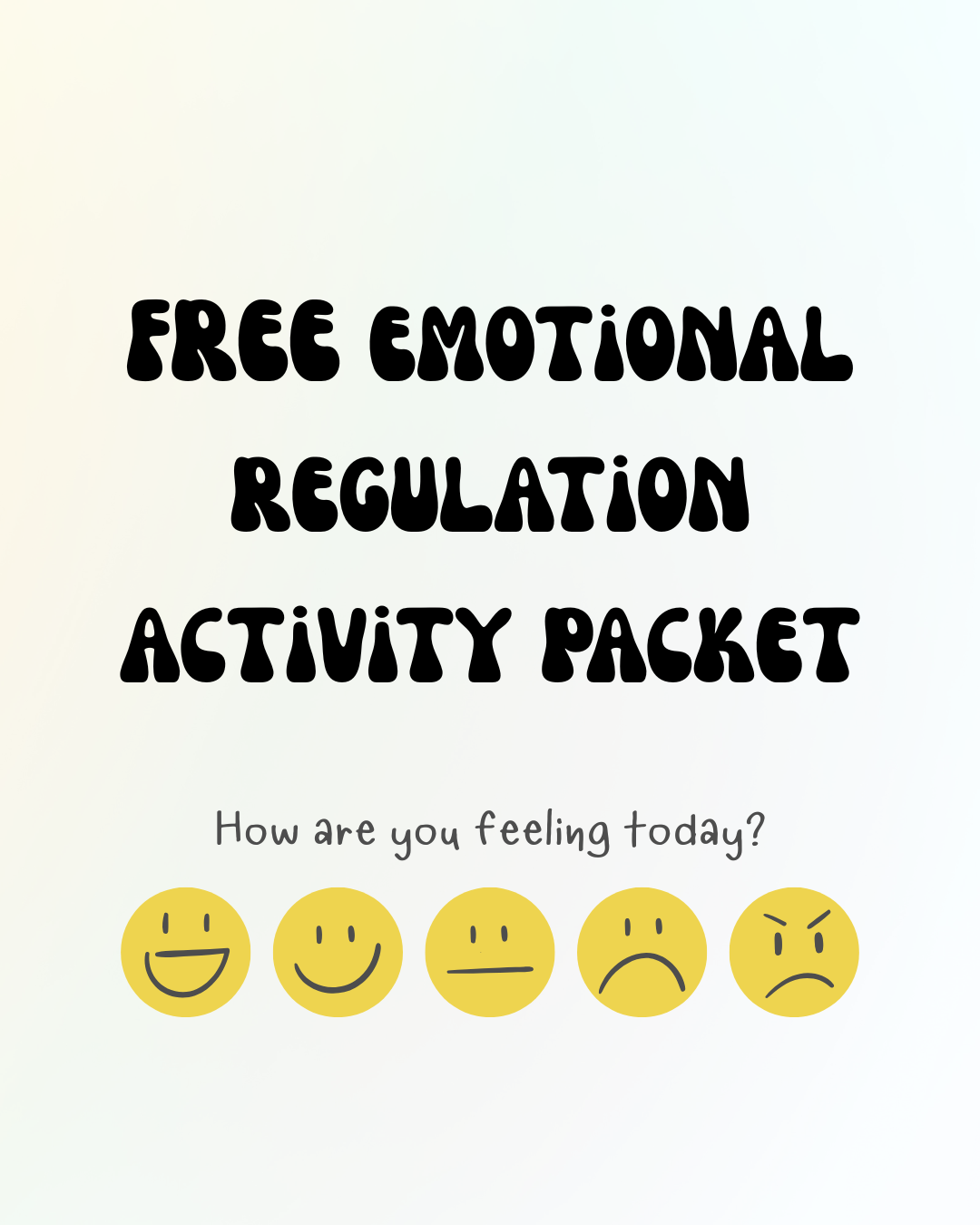
10 Pages of Gentle Emotional Regulation Activities & Charts
Support your child’s emotional well-being with this free Emotional Regulation Homeschool Packet, designed to help children recognize, understand, and navigate their feelings in a calm, supportive way.
This low-pressure packet includes 10 thoughtfully designed pages that guide children through identifying emotions, tracking moods, and learning simple strategies for what to do when big feelings show up—without shame, overwhelm, or forced positivity.
Perfect for homeschool families who value connection, emotional awareness, and learning at their child’s pace. 💖
What’s Included:
Emotion charts to help children identify and name their feelings
Mood journaling pages for daily or weekly emotional check-ins
“What to do when I feel…” strategy pages (anger, sadness, frustration, overwhelm, etc.)
Simple reflection prompts using words, pictures, or both
Visual supports for children who struggle to verbalize emotions
Skills & Concepts Supported:
Emotional awareness and self-expression
Emotional regulation and coping strategies
Mindfulness and body awareness
Problem-solving during big feelings
Confidence in handling emotions independently
Gentle Emotional Regulation Activities for Homeschool Kids
1. Deep Breathing (Without Pressure)
Simple breathing exercises help calm the nervous system. Try:
Smell the flower, blow out the candle
Belly breathing with hands on the stomach
Blowing bubbles or pinwheels
Keep it playful and optional—forcing calm often backfires.
2. Movement Breaks
Movement helps release built-up energy and stress. Short movement breaks can include:
Stretching
Jumping jacks
Animal walks
Dancing to a favorite song
Even a few minutes can reset a dysregulated child.
3. Emotion Naming
Helping children name their emotions builds awareness and reduces overwhelm. Use phrases like:
“It looks like you’re feeling frustrated.”
“Your body seems really tired today.”
Emotion charts, feeling cards, or mirrors can support this skill visually.
4. Calm-Down Corners
A calm-down space is not a punishment—it’s a tool. This space might include:
Pillows or blankets
Fidget toys
Books about feelings
Art supplies
Noise-canceling headphones
Let children use the space when they feel overwhelmed, not only during meltdowns.
5. Creative Expression
Art, music, and storytelling give emotions somewhere to go. Encourage:
Drawing feelings
Painting with colors that match moods
Making up songs or stories
Sculpting with clay or playdough
There’s no “right” outcome—expression is the goal.
6. Nature Time
Nature is regulating by design. Time outside helps children:
Ground their bodies
Calm their nervous systems
Process emotions naturally
Walks, barefoot time, digging, climbing, or simply sitting outdoors can make a big difference.
7. Routine & Predictability
Gentle routines help children feel safe. Visual schedules, consistent rhythms, and clear transitions reduce anxiety and emotional overload.
Flexibility matters—but predictability builds security.
Supporting Emotional Regulation During Hard Moments
When emotions run high:
Stay calm (or as calm as you can)
Validate feelings before correcting behavior
Use fewer words
Offer connection before solutions
Instead of “Calm down,” try:
“I’m here.”
“That was really hard.”
“Let’s take a breath together.”
Emotional Regulation Is a Long Game 🐌
Children are learning skills that take years to develop. Progress won’t be linear—and that’s okay. Each calm moment, each supportive response, each gentle activity adds up.
Homeschooling allows us to teach emotional regulation not as a lesson, but as a lived experience.
And that may be one of the most valuable things our children ever learn.